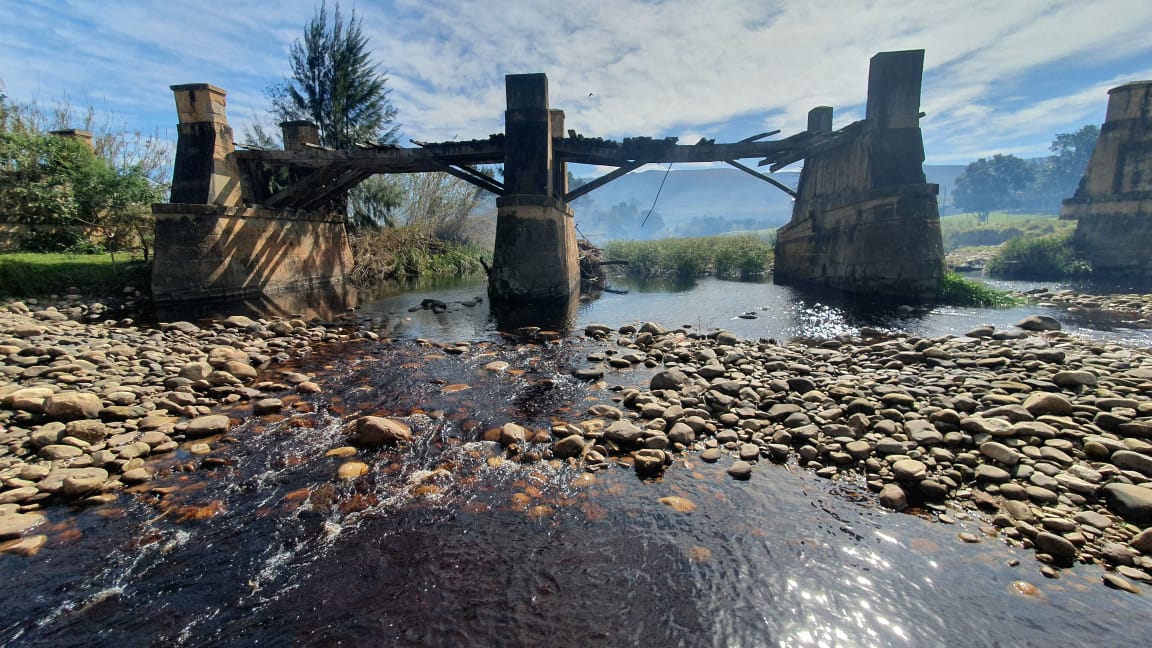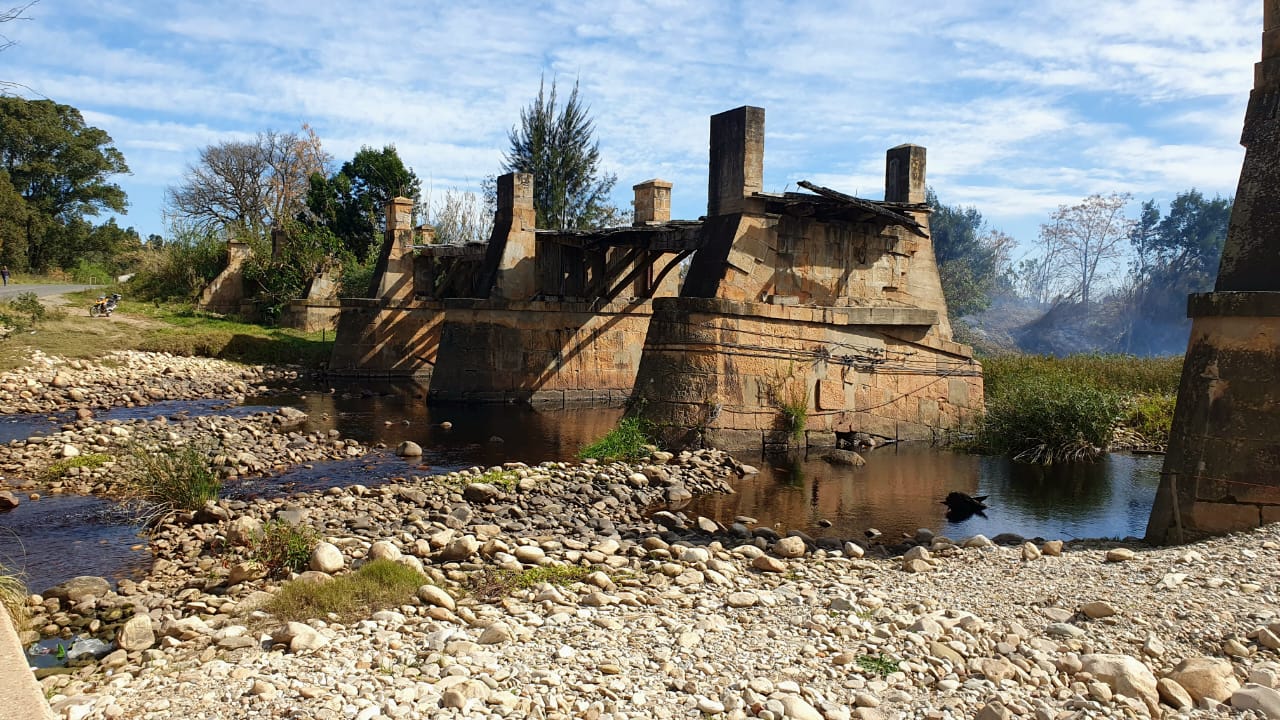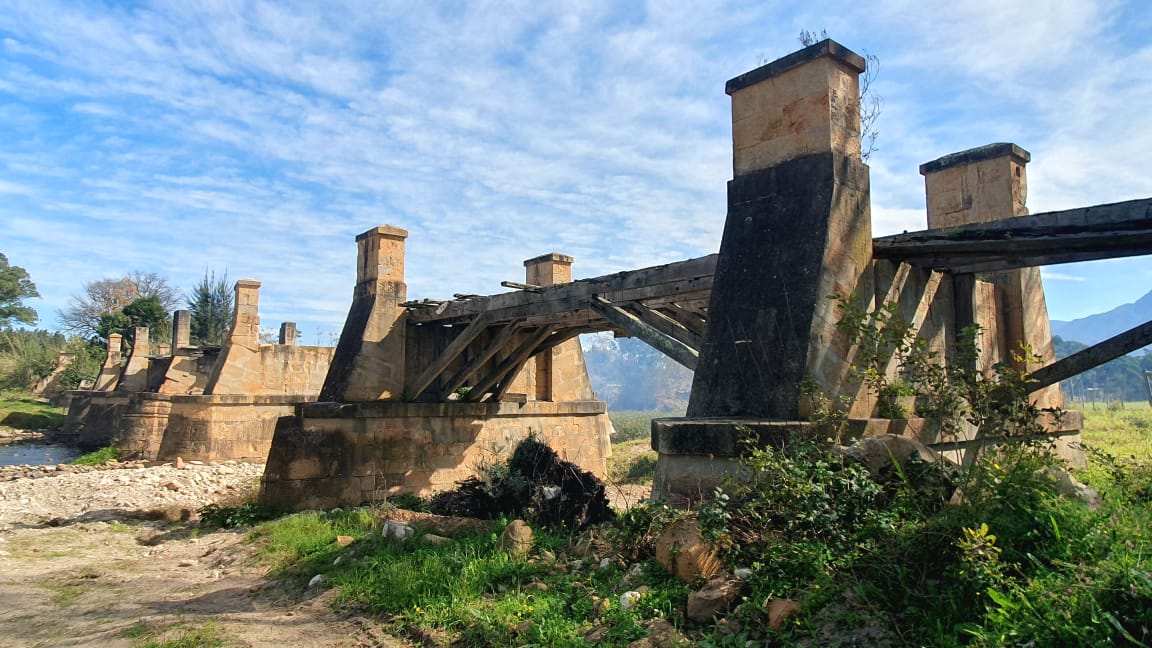
Fascinating History of the “Sugar Bridge”
Near Swellendam stands a remarkable old bridge built with shipwrecked timber, massive sandstone blocks and, according to local history, sugar. Discover the fascinating story behind the Sugar Bridge and its unusual place in South African engineering history.
The old bridge over the Buffeljags River, near Swellendam, is a fascinating little landmark with a few colourful stories attached.
Built between 1845 and 1852, it is believed to be the third-oldest bridge of historical significance in South Africa.
In 2016, it was ranked second on the list of South Africa’s most endangered heritage sites. Which sounds rather impressive, until you realise it basically means “falling apart”.
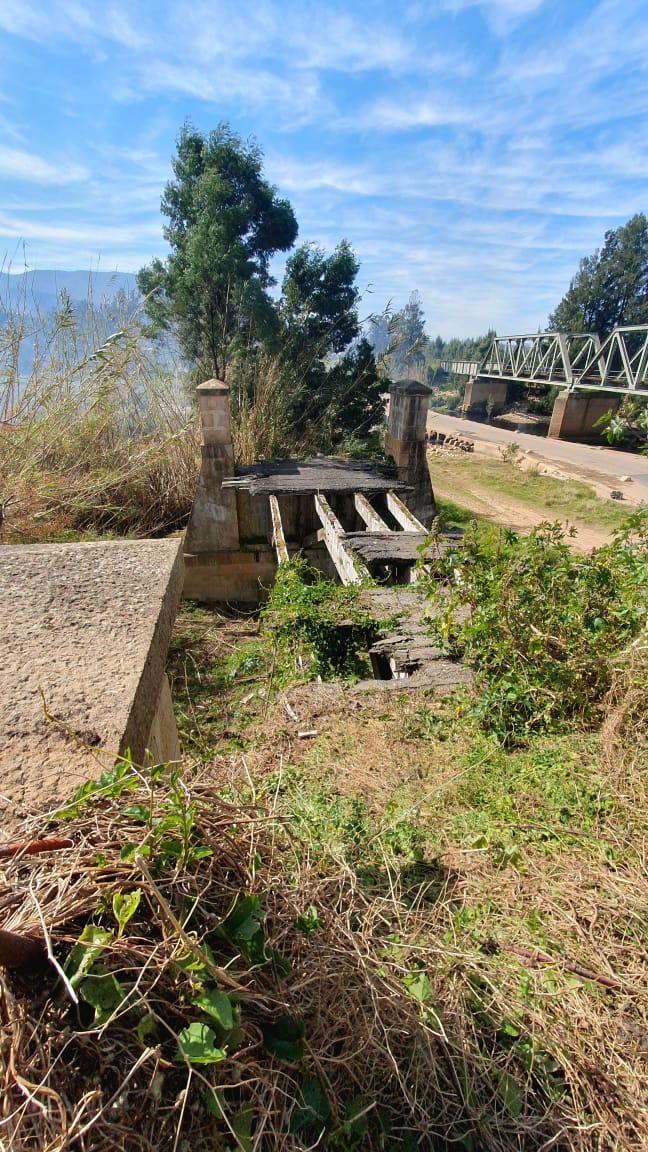
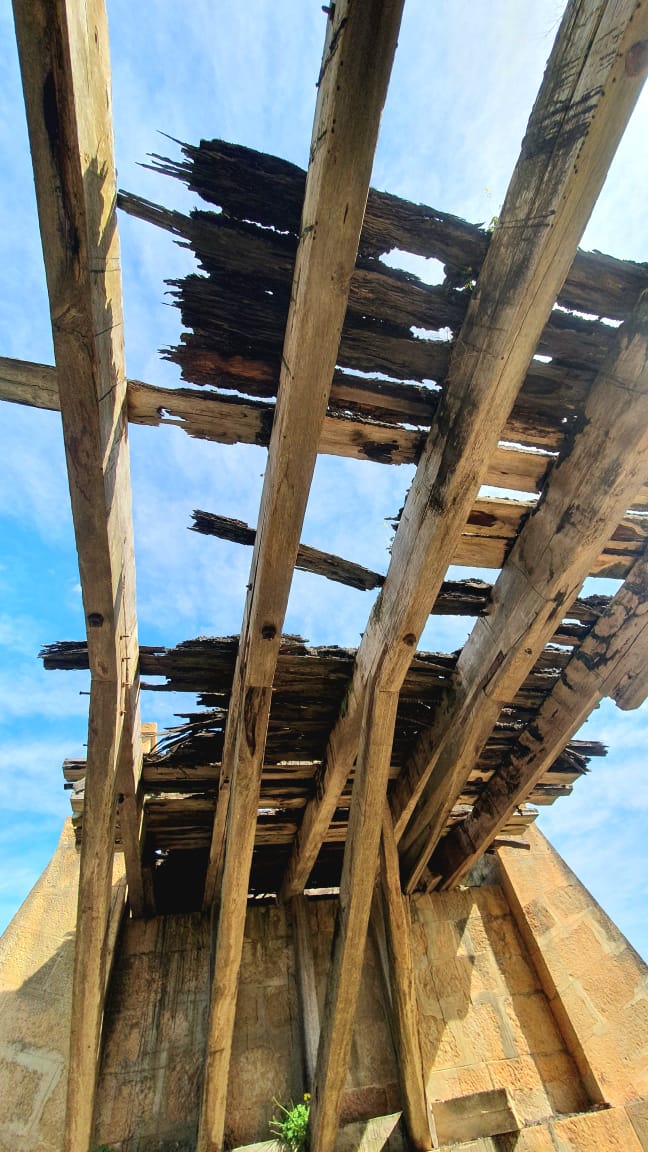
It’s a nine-span bridge with massive sandstone piers, timber joists, supporting braces and a timber deck.
And here’s where the story gets interesting.
Much of the timber was salvaged from the wreck of the Robert, a ship that ran aground near the mouth of the Lourens River in 1847.
According to one heritage account, the timber cost just £3, while transporting it to Swellendam cost £1,000.
Logistics have clearly always been a rip-off.
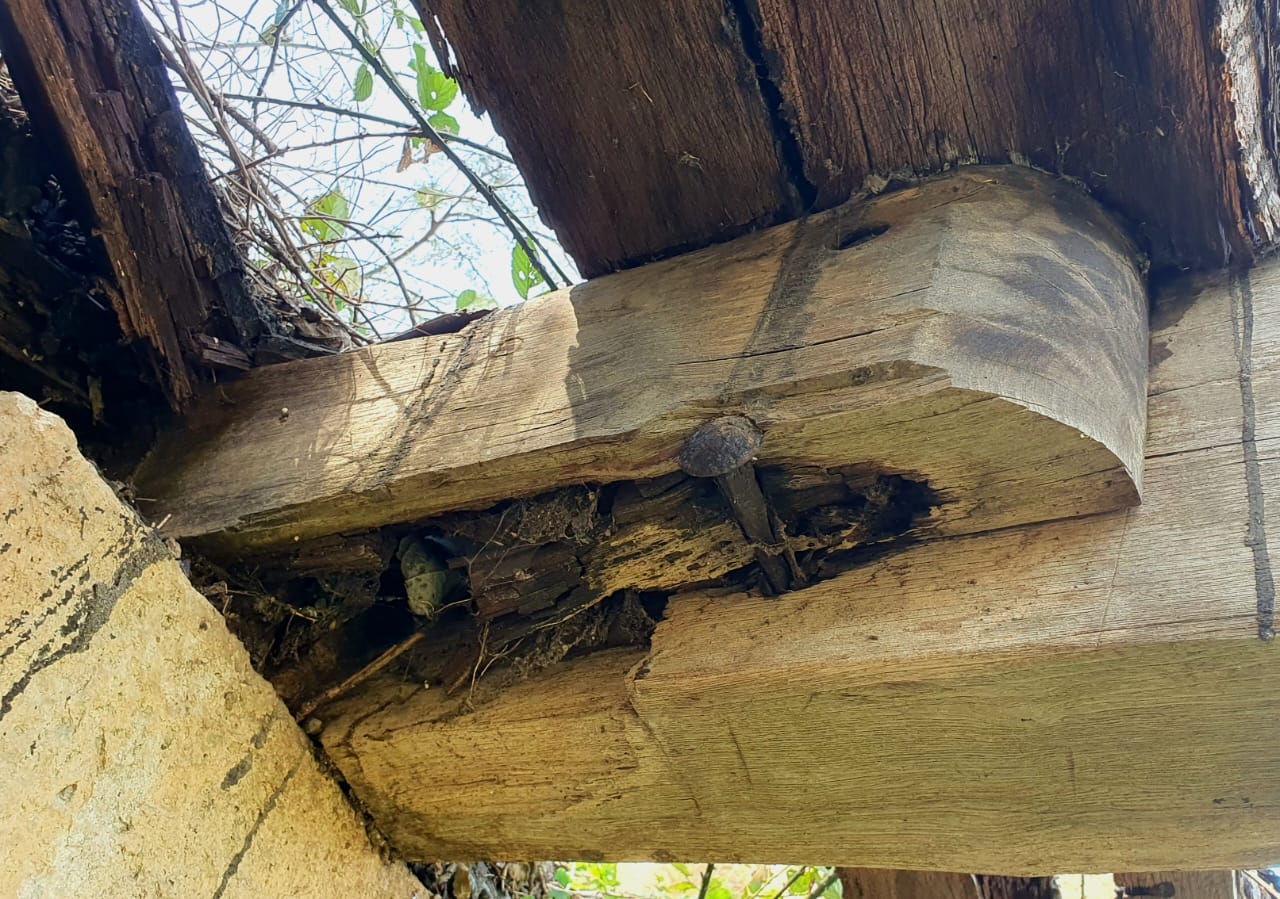
The bridge formed part of the old east-west wagon road, the Groote Wagen Weg, an important transport link long before modern highways came along.
But the real drama wasn’t the timber. It was the mortar.
Portland cement wasn’t readily available at the Cape, so the builders had to improvise.
Traditional lime mortar took too long to harden, and with the Buffeljags River prone to flooding, waiting patiently for everything to set wasn’t exactly an attractive option.
Flood = bye-bye bridge.
They tried gypsum, but that created the opposite problem. It set faster than instant noodles, leaving almost no time to position the massive sandstone blocks.
The solution?
Add something sweet to slow it down.
The best-known version of the story says ordinary household sugar was added to the mixture. Some historical accounts refer to molasses instead.
Either way, that’s how the bridge earned its rather unusual name.
And yes, it seems this bridge really was held together with something sweet and good intentions.