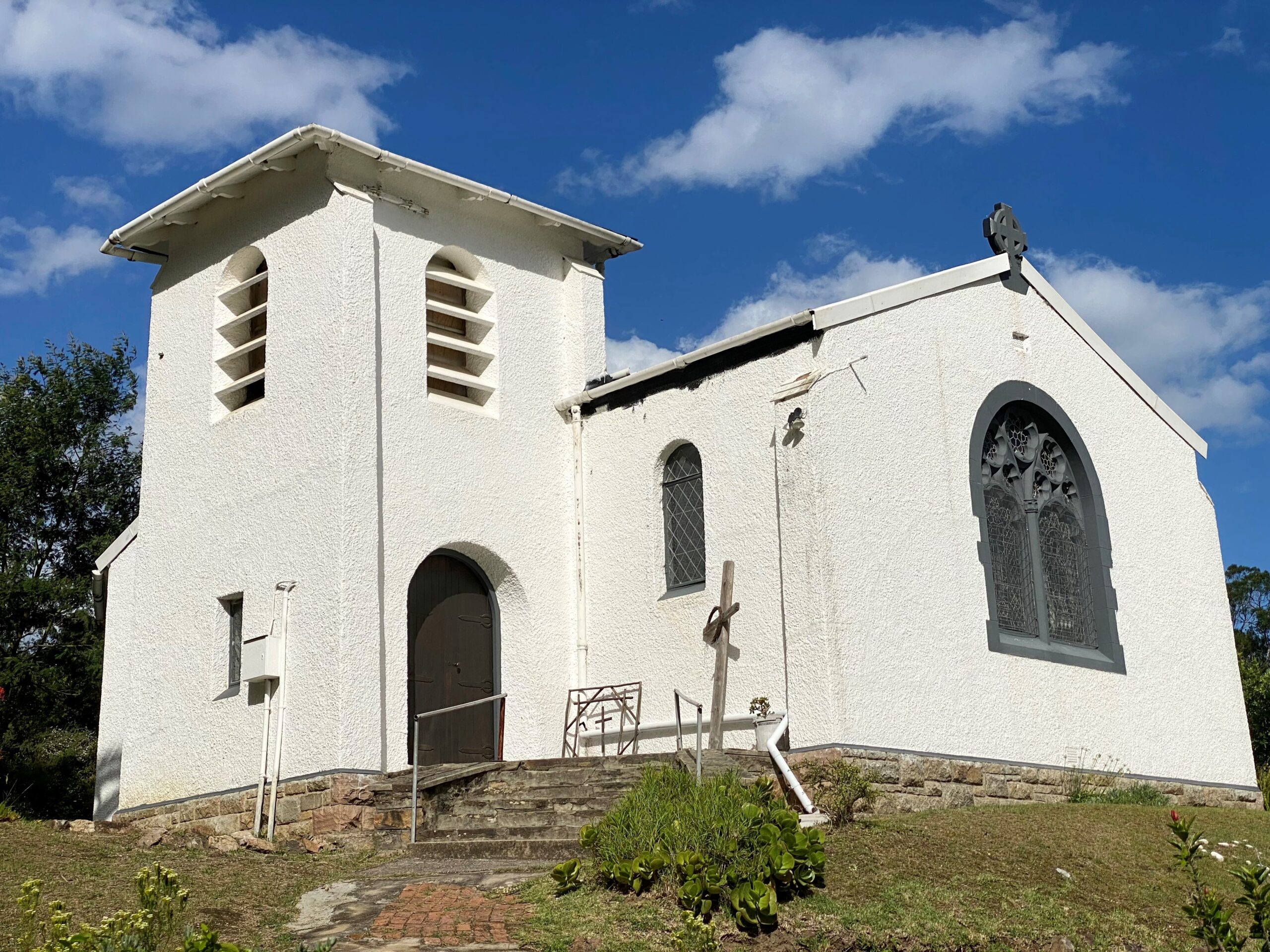
The Little White Church of Groot Brak
Hidden among the trees in Groot-Brakrivier, St John's Anglican Church tells a charming story of faith, family and the village's early years.
Hidden among the trees, a modest little church tells a story of faith, family and the early days of Groot-Brakrivier.
It's difficult to visit Groot-Brakrivier without coming across the name Searle. The family played such an important role in developing the village that it sometimes seems as though half the town carries their name.
One of its best-known landmarks is the beautiful Searle Memorial Church. But tucked away on a small rise on the other side of the river stands another church, much less conspicuous, yet with a story of its own.
St John's Anglican Church is a lovely little building. White walls, a square bell tower, arched windows and a simple wooden door give it a quiet charm. There's nothing particularly grand about it, and perhaps that's what makes it so appealing.
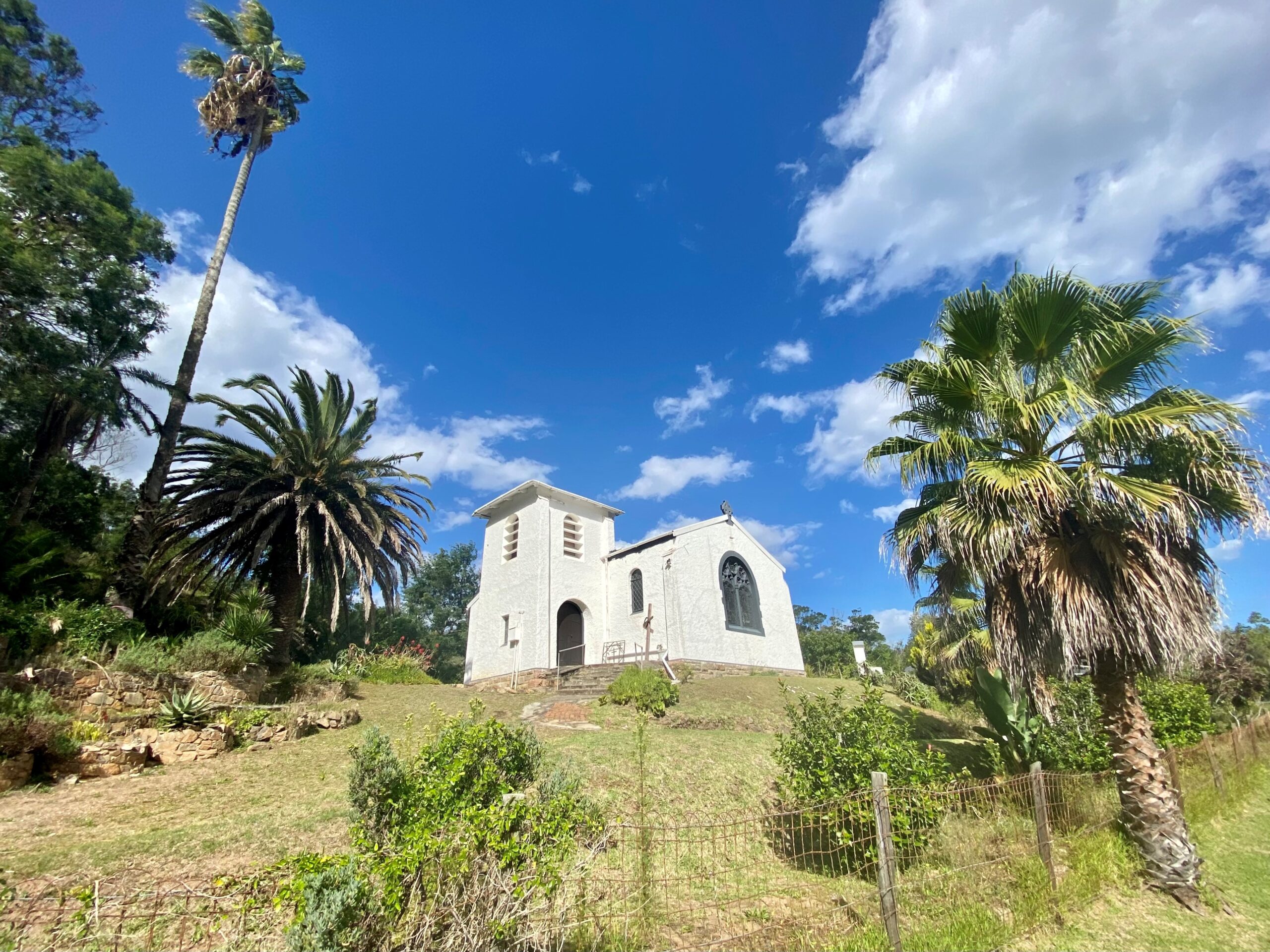
Its story takes us back to the days when Groot Brak was still a small, growing village.
In 1869, Charles Searle established a chapel and schoolhouse where the community could worship. By 1894, the congregation had outgrown the premises, and the family built the Mission Hall. It was a place where different Protestant denominations could hold services, and some 600 people attended its opening.
As the village grew, so did the need for separate churches. The Dutch Reformed Church opened its own building in 1924.
Then came Edith Searle.
Edith was married to Willie Searle, one of Charles Searle's sons, but unlike the Congregationalist Searles, she was Anglican. She wanted a church where the Anglican community could worship, and Willie supported her.
The family donated land, funds were raised, and on 1 December 1929, the foundation stone of St John's was laid. The church was completed and opened in 1930.
Edith became its organist, a position she continued to hold well into her later years.
Interestingly, she had also donated the bell for the Dutch Reformed Church a few years earlier. Clearly, the boundaries between the village's early congregations were not always as firmly drawn as their separate buildings might suggest.
St John's was designed by architect Gordon Leith, who also designed the Searle Memorial Church, established in the same period. Two very different buildings, created by the same architect, became part of Groot Brak's architectural heritage.
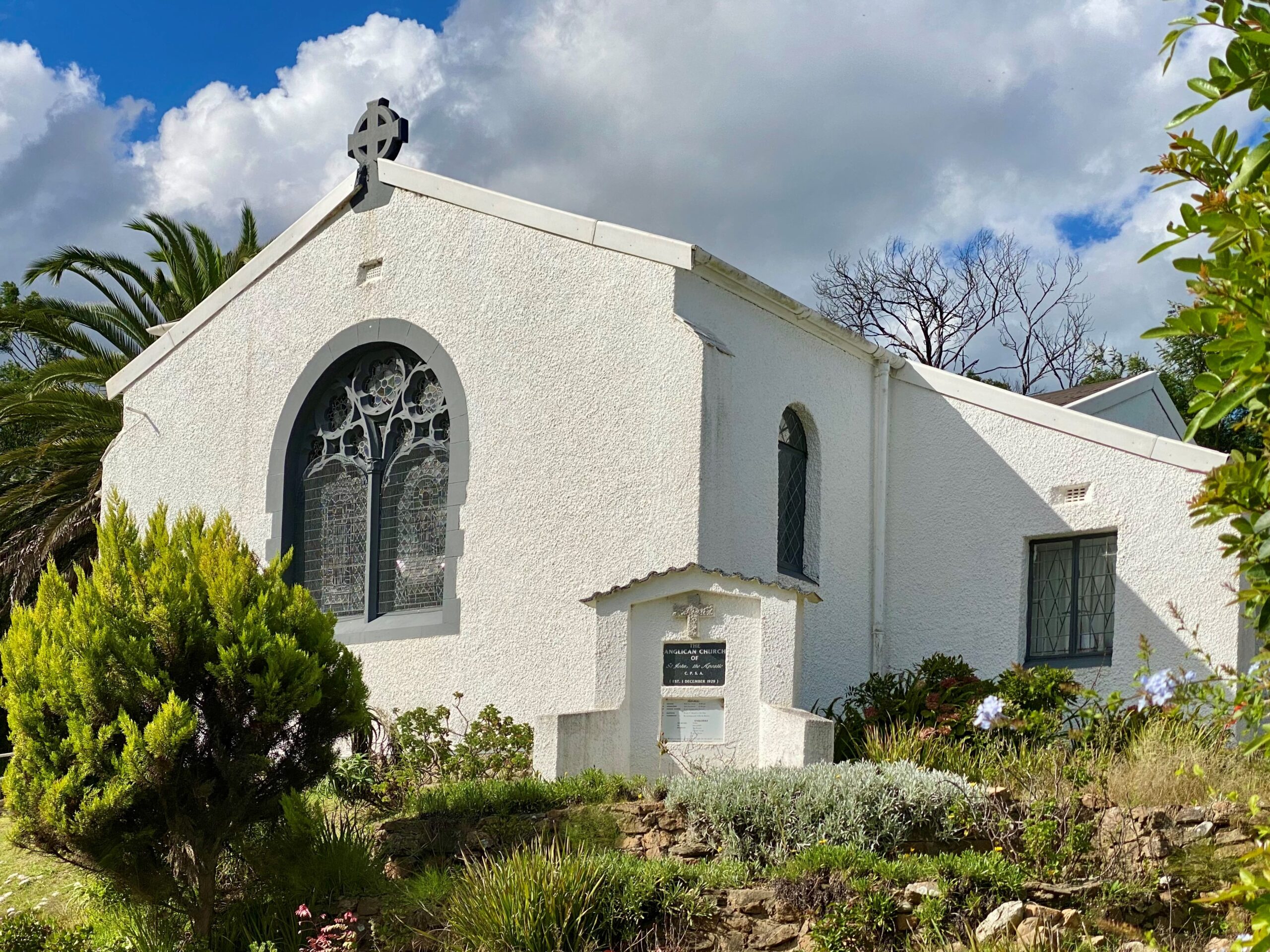
Inside St John's, memorial stained-glass windows remember members of the families associated with its early years.
Over the decades, the village changed, congregations changed, and South Africa itself went through enormous upheaval. Through it all, the little church remained on its hillside.
Today, almost a century after its foundation stone was laid, St John's is still a beautiful reminder of Groot Brak's early days.
And perhaps that's the nicest thing about exploring old towns. Sometimes the most interesting stories aren't found in the buildings that attract the most attention, but in the quiet little places we might otherwise drive straight past.
SHARE THIS STORY
Know someone who would enjoy this story? Share the journey.