Honda's E-Clutch: It's Not What You Think
A manual motorcycle that doesn't require you to use the clutch lever? After riding Honda's XL750 Transalp with E-Clutch, Johann van Tonder reckons you need to try it before making up your mind.
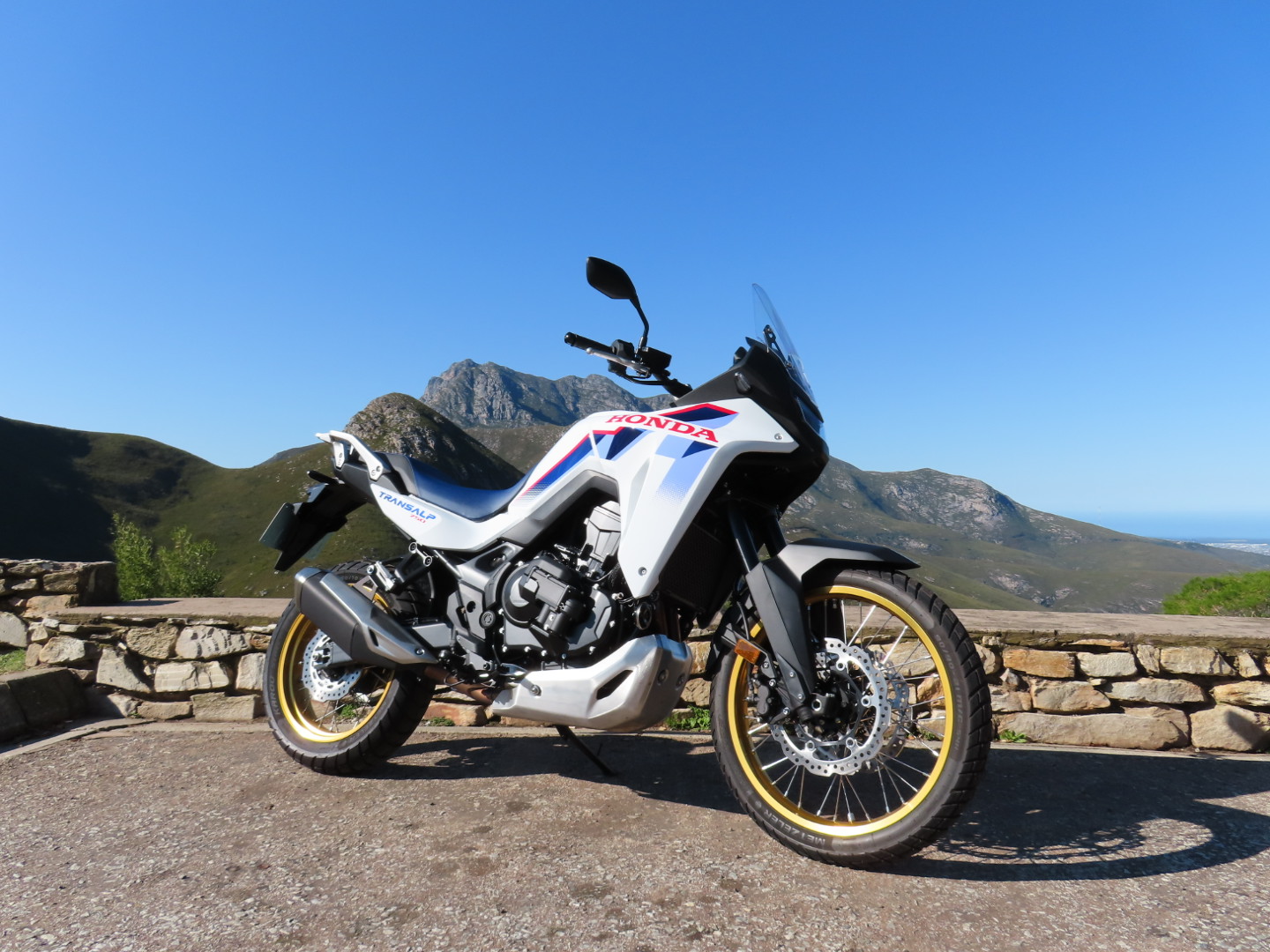
I recently had the opportunity to ride Honda's XL750 Transalp with the new E-Clutch. Forget what you thought you knew about it, and forget the automatic gearbox comparisons. This is one of those things that makes much more sense once you've actually ridden it.
First, let's clear something up. E-Clutch is not another version of Honda's DCT. It is not an automatic transmission. You still have a normal manual gearbox, you still select every gear with your left foot, and there's still a clutch lever on the handlebar.
The difference? You don't have to use that lever unless you want to.
So how does it work?
Start the engine, select first gear, open the throttle and ride away. The electronics take care of the clutch engagement. Change up through the gears with your foot, change down again and come to a stop. There is no need to touch the clutch lever at any stage.
With E-Clutch switched on and operating normally, it also prevents the familiar stall when pulling away or stopping. Anyone who has ever stalled a bike at a busy robot, just as the traffic starts moving, will appreciate that.
And that's really the point. Honda hasn't taken away the manual riding experience. It has taken away a job that can become tiresome, particularly when you're constantly starting and stopping.
Where it makes a difference
In stop-start traffic, simply select first gear and pull away when there's a gap. No clutch juggling, no awkward hand movements and no need to keep slipping the clutch as traffic crawls along.
On a winding road, the quick, smooth clutchless upshifts and downshifts help you keep your rhythm. You still decide when to change gear, exactly as you would on any manual bike.
There is an obvious attraction for adventure riding, too. On a machine such as the Transalp, being able to concentrate on your line, balance and throttle without worrying about stalling can be useful on difficult terrain. That doesn't replace riding skill, but it removes one more thing to think about.
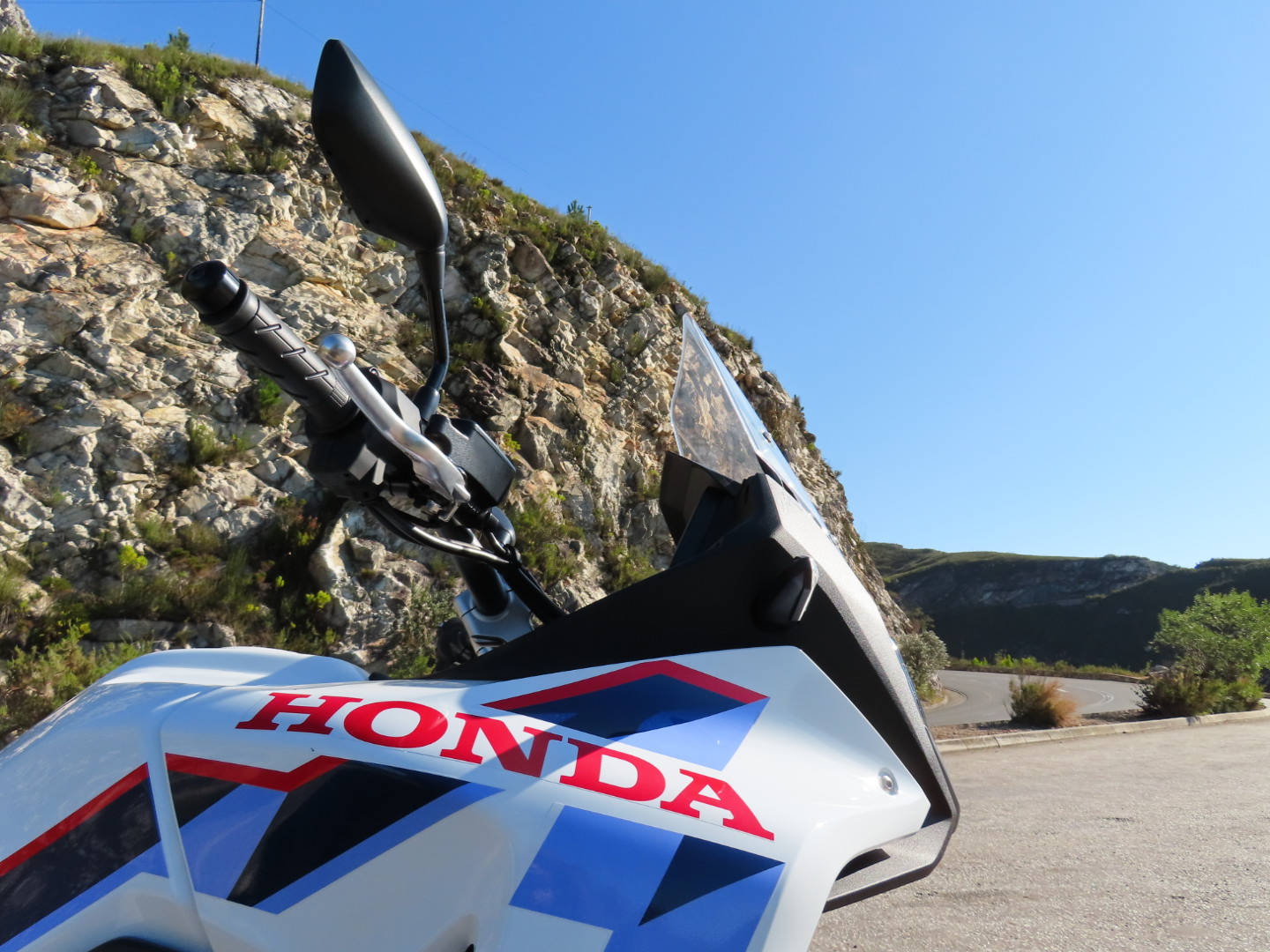
There's more going on than you think
The latest Transalp has throttle-by-wire, which allows Honda to do something particularly clever with E-Clutch. During downshifts, the system can briefly blip the throttle to match engine revs, making the change smoother.
Off-road, it also monitors the front and rear wheel speeds and can manage clutch engagement during upshifts even when the rear wheel is spinning. It's a fairly sophisticated piece of engineering, but from the saddle the whole idea is to make the process feel natural.
What if you still want to use the clutch?
Then use it. Pull the clutch lever and ride exactly as you would on a conventional motorcycle. The system allows manual intervention, then resumes its electronic clutch control. You can also switch E-Clutch off entirely and ride with normal manual clutch operation.
That last point matters. Honda isn't forcing you to ride a particular way. The choice stays with the rider.
What does it cost?
When Honda introduced E-Clutch to South Africa in July 2026, it announced the XL750 Transalp E-Clutch at R230 849, compared with R220 849 for the standard Transalp. That's a R10 000 premium for the added convenience. These were Honda's announced recommended retail prices, including VAT, and may have changed since then.
Whether it's money well spent will depend on where and how you ride. If you regularly deal with traffic, tour long distances or simply like the idea of being able to ignore the clutch lever when it suits you, I can certainly see the attraction.
Perhaps the biggest benefit is how approachable it makes a manual motorcycle, especially for newer riders who are still getting comfortable with coordinating clutch and throttle. Experienced riders can appreciate it for different reasons.
What struck me most was not the technology itself, but how simple it makes everyday riding.
If you get the opportunity to ride one of Honda's E-Clutch models, do it. It's much easier to understand from the saddle than from a brochure.
SHARE THIS ARTICLE
Enjoyed the ride? Share the story.