BMW F 450 R & RR: Same Heart, Different Attitude
One 420 cc parallel-twin, two very different ways to enjoy it. BMW's new F 450 R goes for naked-bike simplicity, while the F 450 RR dresses the same basic recipe for life on twisty roads and the occasional racetrack.
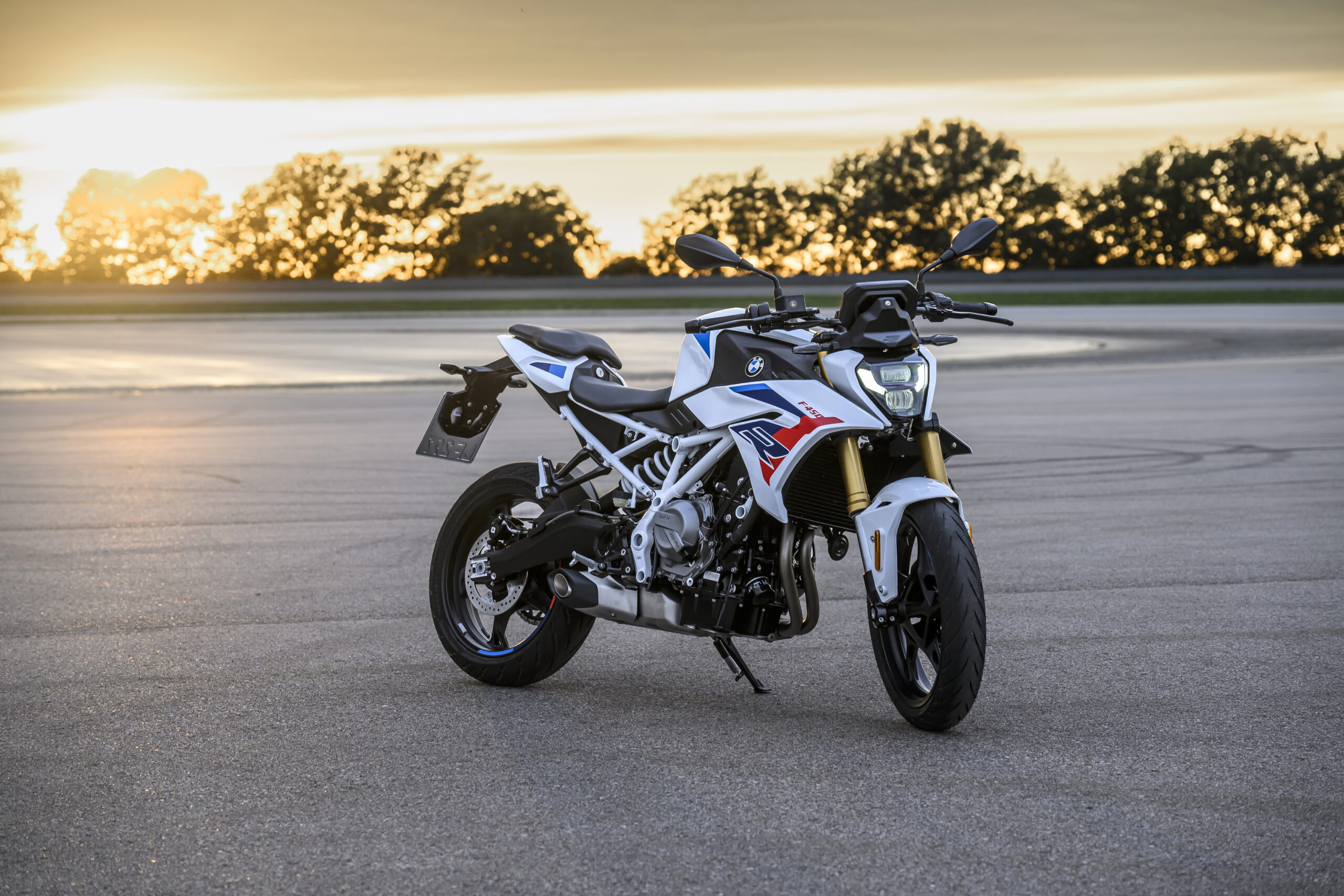
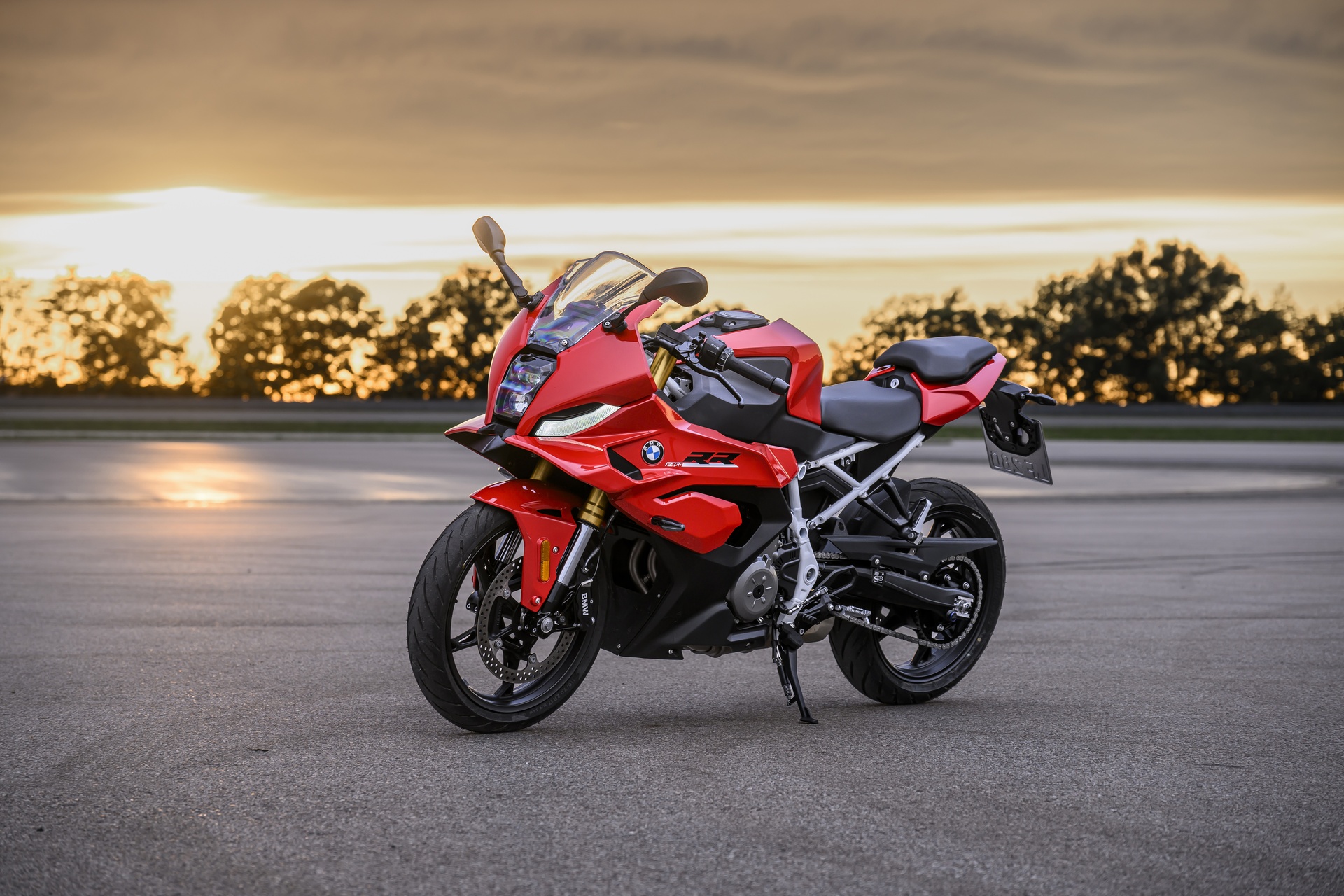
Sometimes the most interesting thing about a new motorcycle is not how much power it makes, but what a manufacturer chooses to do with it. BMW's latest road-going 450s are a good example. Underneath their very different appearances, the F 450 R and F 450 RR share an engine, much of their chassis hardware and even their wheel and tyre sizes. Yet they are intended to satisfy two quite different sorts of rider.
The F 450 R is the straightforward one. It is a compact naked bike with an upright stance, accessible seat and enough technology to embarrass motorcycles much further up the price ladder. The F 450 RR aims for something else entirely: the look and feel of BMW's larger supersport machines, without the horsepower, weight or intimidation that usually accompanies them.
Both sit in the European 35 kW A2 category, but their appeal shouldn't be limited to newer riders. A lighter motorcycle with sensible power can be a great deal of fun, especially when the road becomes interesting.
The same heart beats in both
Power comes from BMW's new liquid-cooled, 420 cc parallel-twin, an engine also used in the F 450 GS. It produces 35 kW at 8 750 r/min and 43 Nm at 6 750 r/min in both the R and RR. BMW says 80 per cent of peak torque is available at just 3 000 r/min, suggesting these bikes should feel usefully responsive in everyday riding rather than demanding a constant assault on the rev limiter.
The unusual part is the crankshaft. Instead of the crank arrangement familiar from many parallel-twins, BMW uses a 135-degree crankpin offset to create uneven firing intervals and a distinctive exhaust note. A balance shaft is there to keep vibration in check, while a compact underfloor exhaust helps keep the mass low and central.
A six-speed gearbox and chain final drive are fitted to both. BMW also offers its Easy Ride Clutch, which automatically engages and disengages the clutch in response to engine speed. Together with Shift Assistant Pro, it allows normal riding and gear changes without routinely using the clutch lever. It is not an automatic transmission: you still select the gears yourself, and the clutch lever remains in place.
What they share
- Engine
- 420 cc, liquid-cooled parallel-twin
- Power
- 35 kW at 8 750 r/min
- Torque
- 43 Nm at 6 750 r/min
- Gearbox
- Six-speed, chain drive
- Seat height
- 790 mm
- Fuel tank
- 14 litres
- Claimed economy
- 3.8 L/100 km (WMTC)
- Tyres
- 110/70-17 front; 150/60-17 rear
- Front brake
- 310 mm disc, Brembo four-piston monobloc caliper
F 450 R: for the everyday ride
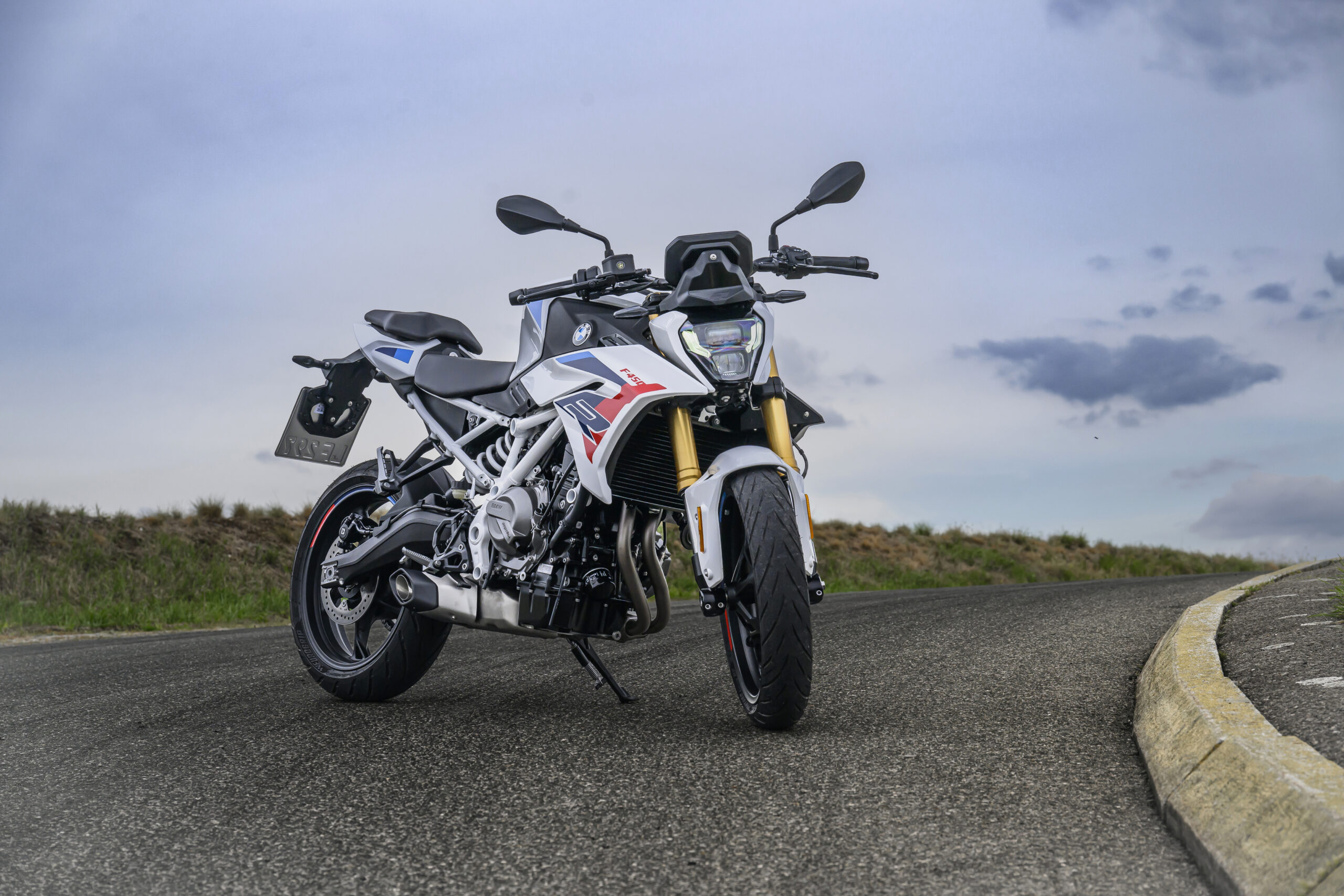
With its upright, relatively close-set handlebar and pared-back bodywork, the R makes the stronger case for daily use. It takes styling cues from the S 1000 R, but in a format that looks manageable rather than menacing. BMW quotes a ready-to-ride weight of 175 kg, just 2 kg lighter than the RR, and a seat height of 790 mm.
There is plenty of substance beneath the styling. The tubular steel frame uses the engine as a stressed member, the front fork is a 43 mm KYB upside-down unit, and the rear suspension employs a KYB shock and aluminium swingarm. A 310 mm Brembo front brake and BMW's lean-sensitive ABS Pro are standard.
The standard riding modes are Rain, Road and Dynamic. Moving up the equipment range introduces features such as Shift Assistant Pro and adjustable Sport suspension; the M Sport versions bring additional electronics, while the Innovation Package adds Easy Ride Clutch. The result is a motorcycle that can be specified as something relatively straightforward or surprisingly sophisticated.
Its obvious limitation is wind protection, or rather the lack of it. That is part of the appeal of a naked bike, but riders regularly doing long motorway stretches may prefer the RR's fairing. For commuting, everyday trips and a Sunday blast through a favourite pass, however, the R is arguably the more logical choice.
F 450 RR: the supersport alternative
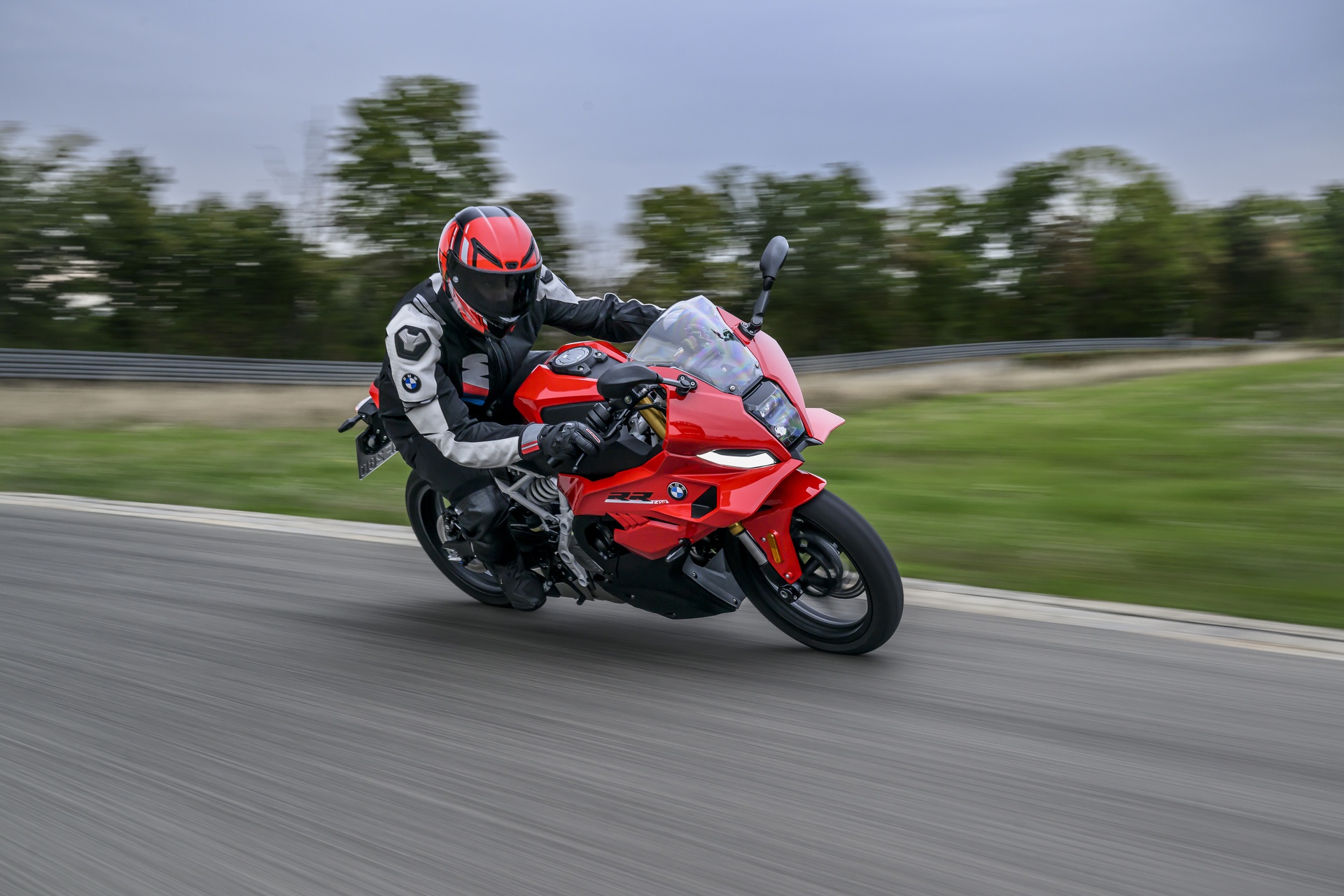
For the RR, BMW has gone in a distinctly different direction. The full fairing, narrow tail, split-front lighting and aerodynamic winglets give it the appearance of a much larger sports motorcycle. Clip-on handlebars change the rider's relationship with the front wheel, and the riding modes switch to Rain, Road and Race. On the M Sport models, Riding Modes Pro adds an individually configurable Race Pro setting.
BMW quotes 177 kg ready to ride, a top speed of 177 km/h and acceleration from 0 to 100 km/h in 5.6 seconds. The R, by comparison, is rated at 169 km/h and 5.7 seconds. Those figures are manufacturer's claims, not results from our own testing, and they reinforce the point that these two motorcycles are far closer in outright performance than their shapes suggest.
The RR also gets supersport-focused suspension tuning and a reversible gearshift pattern for track use. Sport and M Sport variants add adjustable front damping. It is a useful way into the world of track days and committed cornering without having to wrestle a 150 kW superbike around every bend.
Same platform, different priorities
It is worth looking beyond the fairings. The F 450 R has a 1 405 mm wheelbase and 110 mm of trail; BMW quotes 1 404 mm and 111 mm respectively for the RR. Both have 17-inch wheels and the same published tyre sizes, and they share the headline brake hardware. The differences lie less in the basic figures than in the rider triangle, bodywork, aerodynamic protection, suspension setup and how BMW has configured the electronics.
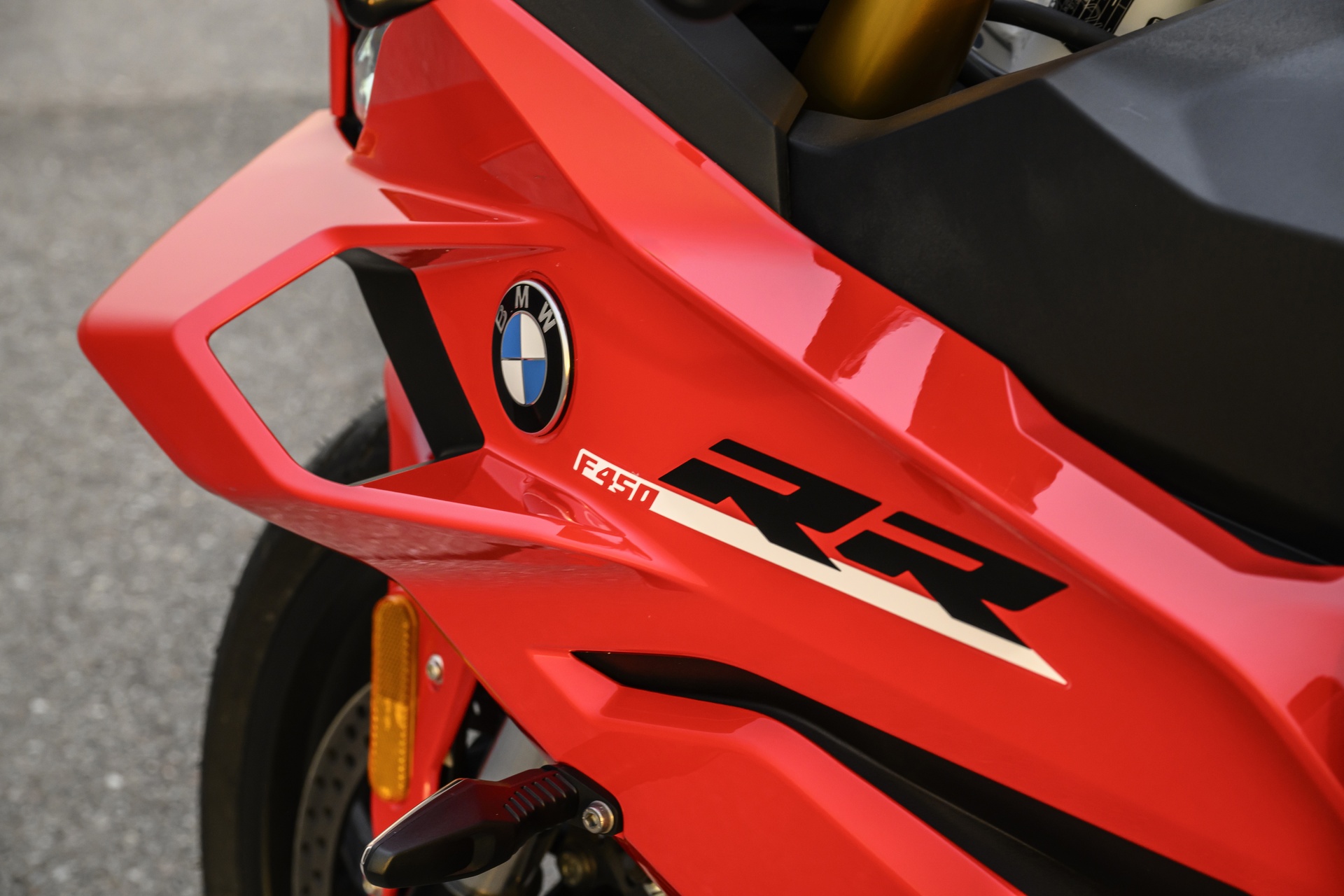
Both models are also well equipped. A 6.5-inch TFT display, LED lighting, heated grips, USB-C charging, traction control, engine drag torque control and Dynamic Brake Control are all part of the standard package. They are not bargain-basement motorcycles simply because they have smaller engines.
Which one makes more sense?
In South Africa, the R will have to make its case against established lightweight naked bikes, while the RR enters a crowded field of smaller-capacity sports machines. BMW Motorrad South Africa says both models are expected locally in the second quarter of 2027. Its website currently lists the F 450 RR from R129 000, including VAT but excluding freight and packaging. We have not yet established a confirmed local price for the F 450 R. On paper the RR looks competitively positioned, although a final value judgement must wait until we have ridden the bikes and seen what each equipment level actually costs.
What is already clear is that the F 450 R and RR are not separated by enormous horsepower figures. They ask a much more interesting question: do you want the freedom and simplicity of a naked bike, or the purpose and posture of a supersport? BMW has given riders two answers using essentially the same mechanical foundation.
About this feature: This is a launch and specification overview based on BMW Motorrad's published October 2026 information. Trailrider Media has not yet independently road-tested either motorcycle.
SHARE THIS ARTICLE
Enjoyed the ride? Share the story.